
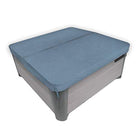
There are two kinds of hot tubs: those that are built for cold winters and those that are not.
A hot tub built for a mild climate can struggle to hold its temperature in places like Chicago or Colorado. Snowbelt spas feature better insulation and are built with larger heaters and better plumbing.
Poor insulation is responsible for most of the heat a hot tub loses in winter. Here are the most effective ways to winter-proof yours.
ADD INSULATION
This is the easiest way to increase the insulation in your spa cabinet. Just make sure that the shell and pipes are fully-foamed before adding insulation.
You can also line the insides of spa cabinet doors with insulation board or foam bats. This type of foam can be held in place with a construction adhesive.
With spray foam, you can add layers of foam on the back of the spa shell or around the pipes. Keep foam away from the pump, heater and any parts you may need to service.
FLOATING BLANKET
A floating spa blanket sits on the water under the cover and is an excellent way to reduce heat loss. It's especially useful when the cover doesn't fit perfectly.
There are three common types of floating spa blankets: thin PE foam, closed-cell foam, and radiant (reflective) blankets.
NEW SPA COVER
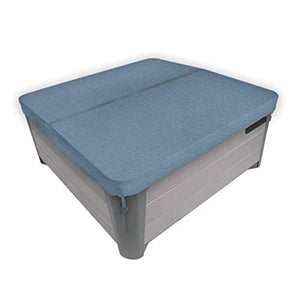
A cover with dense foam and a tapered top (for example, 2 lb foam with a 6" to 4" taper) holds heat best and sheds snow and rain.
A sagging or waterlogged hot tub cover loses much of its insulation value and lets heat escape, so replacing it is one of the best ways to cut winter heating costs.
SPA COVER CAP
Protect your spa cover from harsh weather with the Spa Cover Cap, a fitted, reflective sheet that goes over your existing cover to shield it from sun, snow and rain and help it last longer.
PROTECTA-SPA COVER
Protecta-Spa is a cover that encloses your spa or hot tub. It features a built-in Velcro closure for a secure fit. Protecta-Spa is designed to keep your spa or hot tub from getting damaged by harsh weather conditions.
SPA COVER WIND STRAPS
On an exposed deck, wind can lift the cover and pull heat out of the water. Make sure the cover clips latch firmly, and in very windy areas use wind or hurricane straps to hold the cover down.
If your spa struggles to reach temperature or loses heat overnight, improve the insulation around it first. You can also consider a larger spa heater.
KEEP THE WATER CLEAR AND THE TUB SAFE
Winter-proofing isn't just about heat. Shorter filter cycles and lotions often leave the water hazy in cold weather; see how to fix cloudy hot tub water in winter. And to protect the plumbing during a power cut or cold snap, read our winter freeze protection guide.
If you have any other questions about hot tub covers and winter care, please do let us know - we are here to help!